
Discover 3 of Angola´s greatest natural treasures in Malanje: Kalandula Falls, Black Rocks of Pungo Andongo & Cangandala National Park


Malanje, Angola | Nature, Wildlife, History, Culture and Adventure
Angola is a country of extraordinary landscapes, rich historical heritage and remarkable wildlife waiting to be discovered. Among the destinations, that best represent this diversity is Malanje Province, in the northern interior of the country, where nature, history, and culture come together in truly remarkable surroundings.
This is where you will find the majestic Kalandula Falls, one of Africa’s largest waterfalls; the imposing Black Rocks of Pungo Andongo, a remarkable collection of rock formations deeply connected to Angola’s historical heritage; and Cangandala National Park, one of the country’s most important wildlife conservation areas and a sanctuary of the legendary Giant Sable Antelope.
Together, 3 destinations offer an extraordinary opportunity to experience different dimensions of Malanje: spectacular waterfalls, boat trips along the Lucala River, scenic hiking trails, fascinating geological formations, rural communities, remarkable wildlife and the legacy of ancient African kingdoms. However, the experience begins long before reaching the attractions themselves.
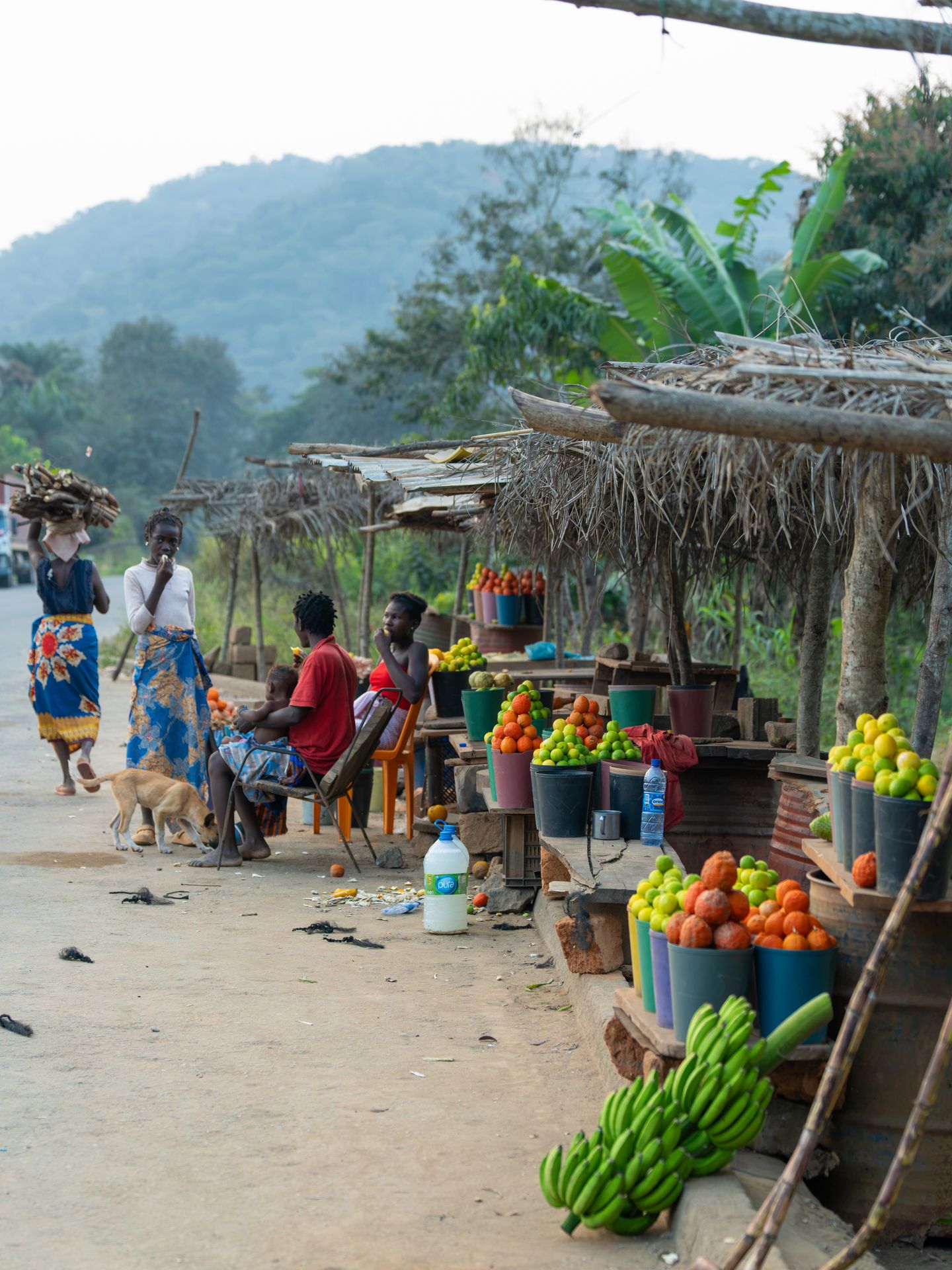
The road journey through Malanje is an adventure of its own, offering travellers the opportunity to discover Angola’s countryside, observe rural life, admire changing landscapes and meet local communities whose warmth and hospitality add a special dimension to the journey.
Whether you are an adventure enthusiast, a nature lover, a wildlife photographer or a traveller interested in African history and culture, Malanje offers an experience worth discovering.
LeluTour invites you to explore Malanje and discover three of Angola’s most fascinating natural and cultural treasures.
1. Kalandula Falls: The Grandeur of Nature in Angola
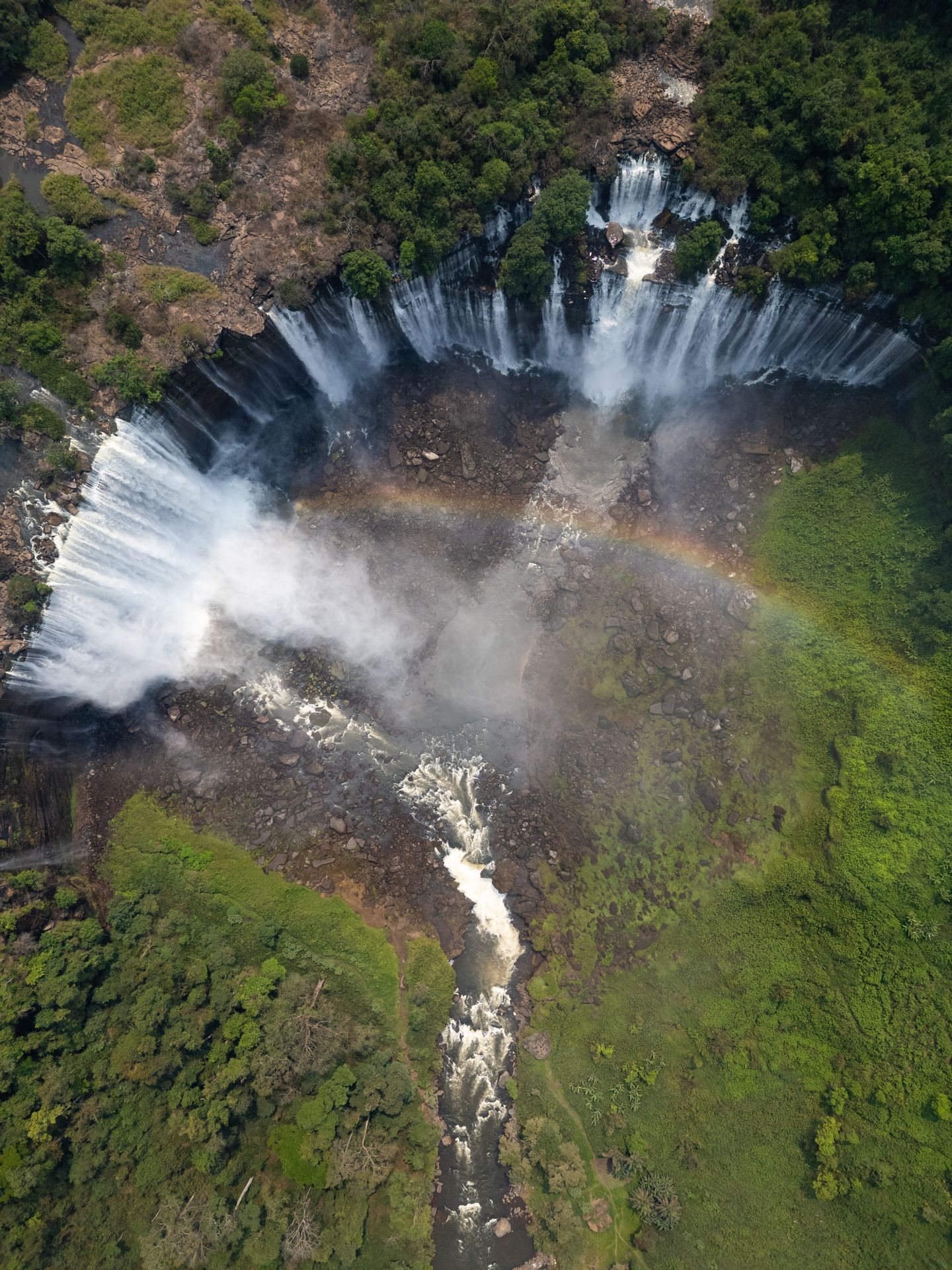
Imagine approaching a landscape where hundreds of metres of water cascade over an enormous rocky formation, creating a spectacular natural curtain accompanied by a powerful roar and a mist that rises above the surrounding vegetation.
This experience awaits you at Kalandula Falls.
Located on the Lucala River, in the municipality of Kalandula, Malanje Province, these waterfalls rank among the largest in Africa, measuring approximately 105 metres in height and around 400 metres in width.
The sheer scale of the falls, the force of the water and the surrounding green landscape make this one of Angola’s most iconic natural landmarks.
During the colonial period, the waterfalls were known as the Dukes of Braganza Falls. Today, they are one of Malanje’s most important tourism attractions and a destination of great interest to both domestic and international visitors.
What Makes Kalandula Falls Special?
Kalandula offers much more than a spectacular viewpoint. The surrounding area provides opportunities to explore the natural environment discover the Lucala River and experience the landscape from different perspectives.
Highlights include:
- Admiring the waterfalls: Take in the impressive curtain of water from designated viewpoints and appreciate the extraordinary scale of one of Africa’s most remarkable natural attractions.
- Boat trips along the Lucala River: Experience the Lucala River from a different perspective with a boat trip along its waters. This activity offers visitors an opportunity to appreciate the surrounding natural landscape, enjoy the river environment and experience the region from a closer viewpoint.
- Hiking and Nature Walks: Explore the surrounding areas through guided walks and hiking routes, discovering the natural vegetation, scenic viewpoints and remarkable landscapes around the falls.
- Explore the River Environment: Discover the importance of the Lucala River to the region and enjoy the natural surroundings that make this destination so distinctive.
- Nature Photography: Capture the waterfalls, the surrounding vegetation, the river and the spectacular landscapes that make Kalandula one of Angola’s most recognisable natural landmarks.
- Moments of Tranquillity: Enjoy the peaceful atmosphere, fresh air and grandeur of this unique natural environment.
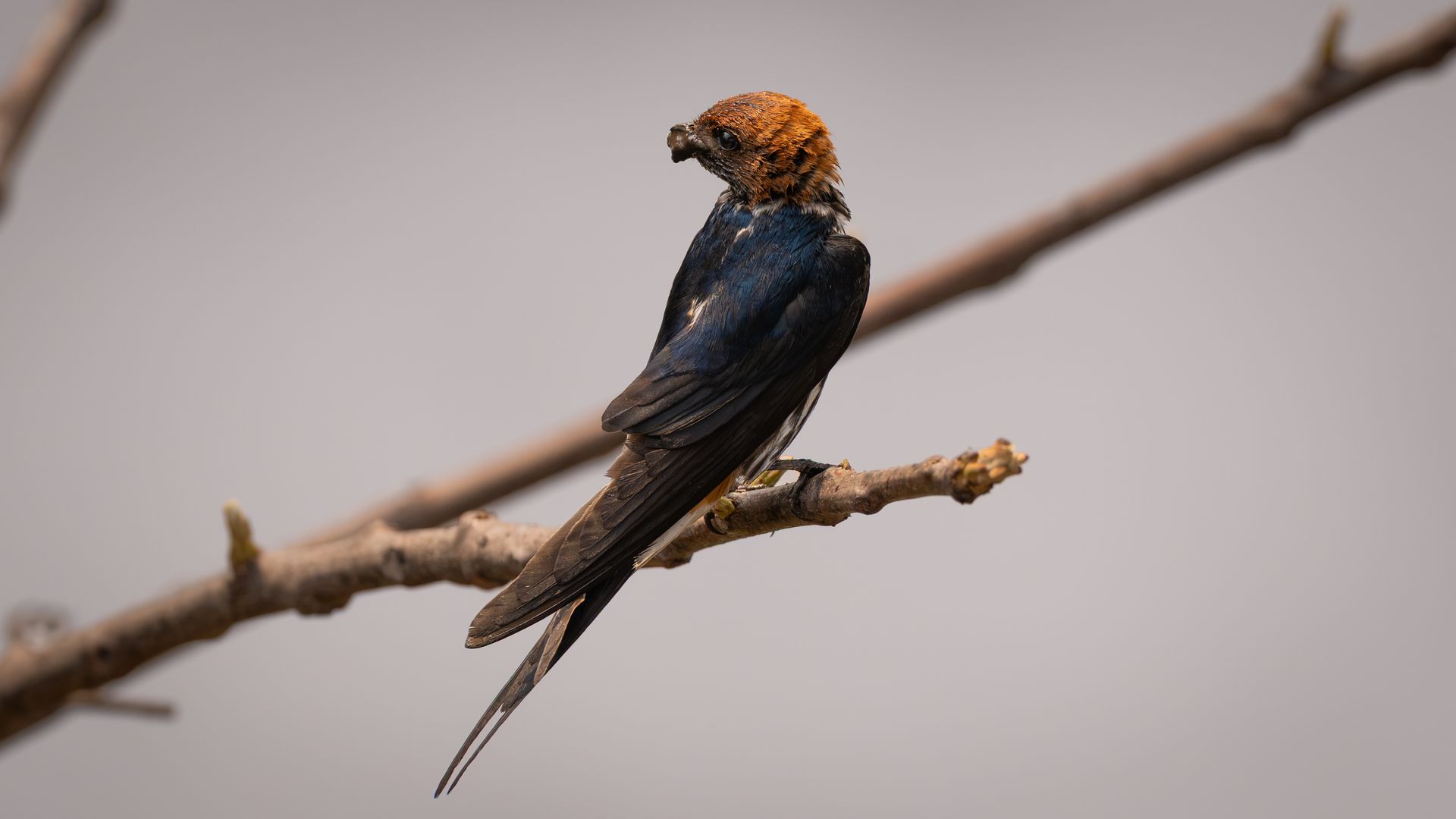
- Birdwatching and Wildlife: Observe Angola’s rich birdlife around Kalandula Falls and the Lucala River, including kingfishers, turacos and the rare White-headed Robin-Chat.
Boat trips and hiking activities are subject to local operating conditions, safety assessments and availability. The exact activities and routes should be confirmed when arranging the visit.
Can You Visit Kalandula Falls Throughout the Year?
Yes. Kalandula Falls can be visited throughout the year.
Unlike destinations whose accessibility is restricted to specific seasons, Kalandula remains a year-round destination.
However, the experience changes with the seasons.
During the rainy season, the Lucala River generally carries a greater volume of water, creating a wider and more powerful waterfall. The surrounding vegetation also becomes particularly lush and vibrant.
During the dry season, the water flow may decrease, revealing more of the rock formations and creating different photographic perspectives. Access conditions and certain outdoor activities may also be easier to manage, depending on local conditions.
Each season offers a different perspective of Kalandula, making it a destination worth visiting at any time of the year.
2. The Black Rocks of Pungo Andongo: Where History and Nature Meet
The journey through Malanje continues to the extraordinary Black Rocks of Pungo Andongo, one of Angola’s most distinctive geological and historical landscapes.
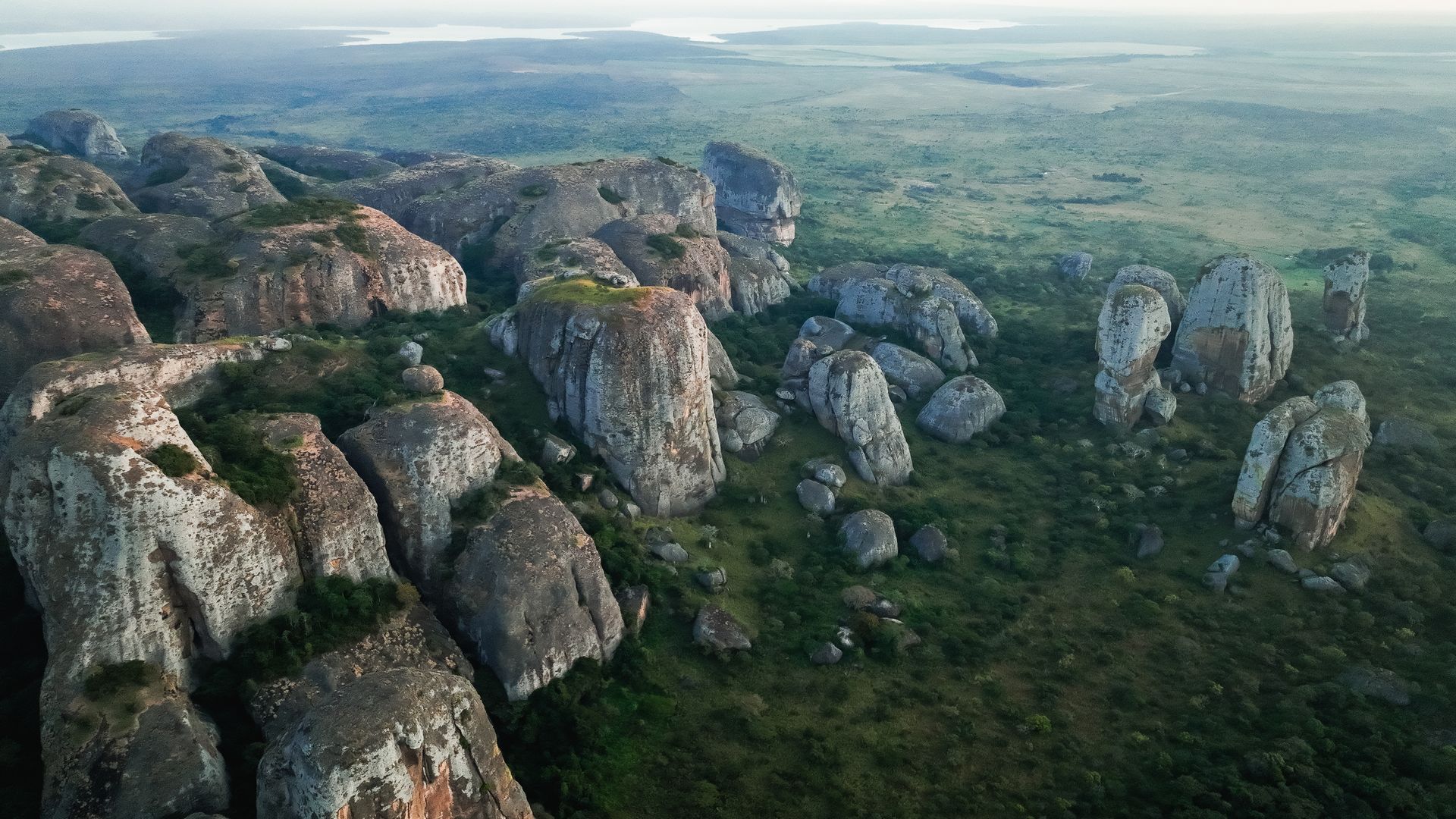
Located in the municipality of Cacuso, these enormous rock formations rise above the surrounding landscape, creating a remarkable natural setting.
Their imposing size, irregular shapes and contrast with the region’s vegetation make Pungo Andongo a particularly fascinating destination for visitors interested in nature, geology, photography and cultural heritage.
However, the importance of this place extends far beyond its striking appearance.
A Land Shaped by the History of the Kingdom of Ndongo
Pungo Andongo holds an important place in Angola’s history, particularly because of its connection to the ancient Kingdom of Ndongo.
During the 17th century, the region played a strategic role in the kingdom’s political and military organisation. The surrounding territory was associated with the royal court and the reign of the Ndongo rulers, including the historical legacy of Queen Njinga Mbandi.
Queen Njinga remains one of the most essential figures in Angolan history, recognised for her political leadership, diplomatic strategy and resistance to Portuguese colonial expansion.
The area’s dramatic rock formations also offered natural defensive advantages, making the region historically significant.
Stories and traditions passed down through generations add another dimension to the visit, making Pungo Andongo a place where natural landscapes meet collective historical memory.
In recognition of its importance, the Cultural Landscape of Pungo Andongo was classified as National Historical and Cultural Heritage in 2017.
What Can You Discover at Pungo Andongo?
During your visit, you can:
- Admire the monumental rock formations.
- Explore the surrounding natural landscape.
- Discover the history of the ancient Kingdom of Ndongo.
- Learn about the cultural traditions and historical narratives associated with the region.
- Explore suitable hiking routes and viewpoints.
- Discover the famous rock formations traditionally associated with Queen Njinga.
- Capture spectacular photographs of the landscape.
For travelers who enjoy outdoor activities, the area offers opportunities for guided walks, hiking and exploration of suitable sections of the rock formations.
Some routes involve uneven terrain and steep sections, so activities should be selected according to physical ability and local safety conditions.
Pungo Andongo is an especially rewarding destination for anyone wishing to gain a deeper understanding of Angola’s history while discovering some of its most extraordinary landscapes.
3. Cangandala National Park: A Wildlife Safari in the Home of Angola’s Giant Sable Antelope
For wildlife enthusiasts and nature lovers, no journey through Malanje would be complete without discovering Cangandala National Park.
Located approximately 50 kilometres south of Malanje city, Cangandala is one of Angola’s most important protected natural areas.
Covering approximately 630 square kilometres, the park was established as a protected hunting reserve in 1963 and officially elevated to National Park status in 1970.
Its international significance is closely connected to one of Africa’s most remarkable and rare antelope species: the Giant Sable Antelope (Hippo tragus niger variani), known in Angola as the Palanca Negra Gigante.
This magnificent animal is endemic to Angola and is one of the country’s most significant national wildlife symbols.
The Giant Sable Antelope: An Icon of Angola
The Giant Sable Antelope is more than a remarkable wild animal. It is an indispensable symbol of Angola’s natural heritage and a source of national pride.
Distinguished by its elegant appearance, dark coat in adult males and impressive curved horns, the Giant Sable Antelope is one of the most extraordinary members of the African antelope family.
The species is particularly important because it is found naturally only in Angola.
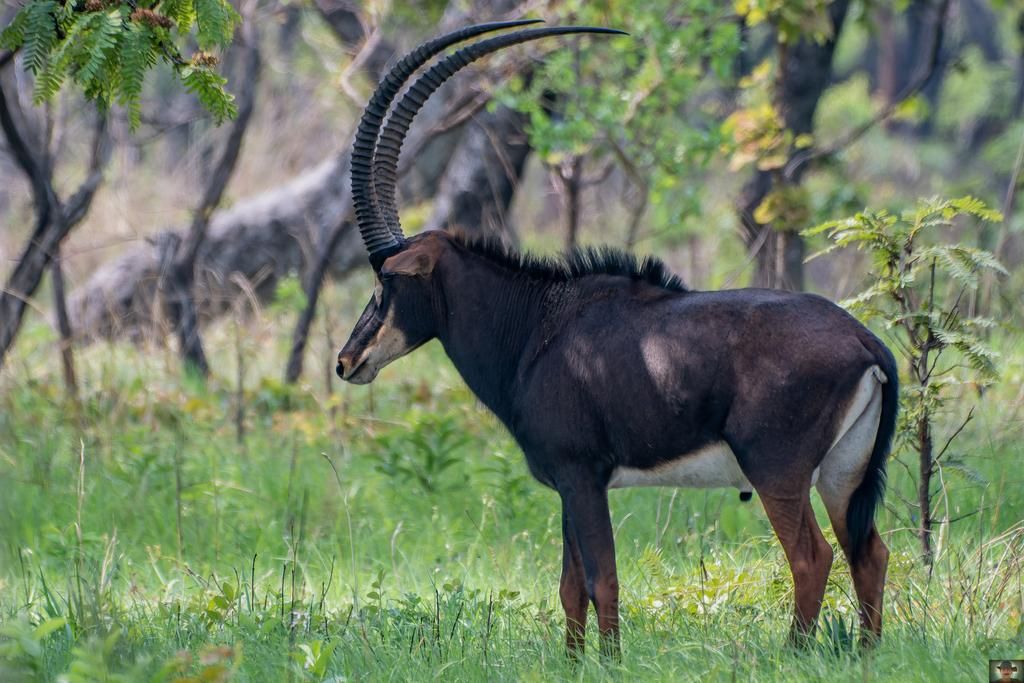
Its survival has faced serious challenges over the decades, particularly as a result of armed conflict, habitat disturbance and poaching.
Conservation initiatives involving the Angolan authorities, conservation organisations and local communities have played an influential role in protecting the species and supporting its recovery.
Cangandala is therefore an essential destination for understanding Angola’s wildlife conservation efforts and the importance of protecting its unique biodiversity.
Experience a Wildlife Safari in Cangandala
One of the highlights of visiting Cangandala National Park is the opportunity to experience a guided wildlife safari.
Unlike a traditional sightseeing excursion, this experience takes visitors into the park’s natural environment to explore its landscapes, observe wildlife habitats and learn about the species that inhabit the area.
The safari is conducted through authorised park routes, subject to access conditions and the park’s conservation regulations.
Visitors may experience:
Wildlife observation: Explore natural habitats in search of the Giant Sable Antelope and other wildlife.
Guided safari drives: Travel through designated areas of the park accompanied by knowledgeable guides or authorised park personnel.
Nature photography: Capture the landscapes, vegetation, and wildlife of one of Angola’s most important conservation areas.
Biodiversity discovery: Learn about the species that inhabit the park and their ecological importance.
Conservation experiences: Understand the efforts being made to protect the Giant Sable Antelope and its natural habitat.
The Giant Sable Antelope is naturally the main attraction, but sightings depend on animal movements, environmental conditions and authorised observation opportunities.
Wildlife sightings cannot be guaranteed. The priority is always responsible observation and the protection of the animals.
Beyond the Giant Sable: Discover Cangandala’s Wildlife
Although the Giant Sable Antelope is the park’s most celebrated species, Cangandala is home to other fascinating representatives of Angola’s wildlife.
Species recorded in the park include:
- Common Duiker: A small, shy antelope found in woodland and grassland environments.
- Bushbuck: An adaptable antelope associated with woodland habitats.
- Sitatunga: A distinctive semiaquatic antelope adapted to wetland environments.
- Southern Reedbuck: An antelope associated with open grassland and wet habitats.
- Roan Antelope: A large and impressive African antelope.
- African Forest Buffalo: A powerful member of the buffalo family.
The park’s ecological importance lies in the diversity of its habitats and the wildlife they support.
Discover the Miombo Woodlands and Natural Landscapes
Cangandala is also important for its vegetation and ecological characteristics.
Its natural environment includes open woodland and Savannah landscapes, particularly associated with the Miombo ecosystem.
Miombo woodlands are an significant feature of central and southern African biodiversity. They provide habitat, food, and shelter for numerous animal species and contribute to the ecological balance of the region.
For visitors, these landscapes offer an opportunity to appreciate a different side of Angola’s natural beauty, beyond its waterfalls, mountains and coastal environments.
Conservation: Protecting Angola’s Natural Heritage
Cangandala National Park plays a particularly important role in the protection of the Giant Sable Antelope and its natural habitat.
Conservation efforts involve wildlife monitoring, habitat protection, anti-poaching activities and cooperation with local communities.
The park also provides an important opportunity to raise awareness about biodiversity and the responsibility of protecting Angola’s natural resources for future generations.
For visitors, this adds a meaningful dimension to the journey.
You are not simply discovering a beautiful natural area; you are learning about an important part of Angola’s environmental heritage and the ongoing efforts to preserve it.
Responsible Tourism at Cangandala
Because Cangandala is a protected conservation area, visits must respect the park’s management rules and environmental requirements.
Access arrangements, authorised routes, safari vehicles, visitor facilities and wildlife observation opportunities should be confirmed in advance with the relevant authorities.
The safari experience must always prioritise conservation, animal welfare and the protection of the natural environment.
4. The Journey Through Malanje: Discover Rural Angola Along the Way
Malanje currently has no operational airport for regular passenger arrivals. Therefore, visitors travelling to the province should plan to reach it by road, with Luanda serving as the main point of departure for most international travellers.
The drive from Luanda to Malanje takes approximately 5 to 7 hours, depending on the route, traffic and road conditions. Although it is a relatively long journey, it is also an opportunity to discover another side of Angola. Along the way, travellers pass through rural landscapes, villages and local communities, offering glimpses of everyday life beyond the capital. Stopping to greet residents and appreciate the scenery can make the journey an enriching part of the experience.
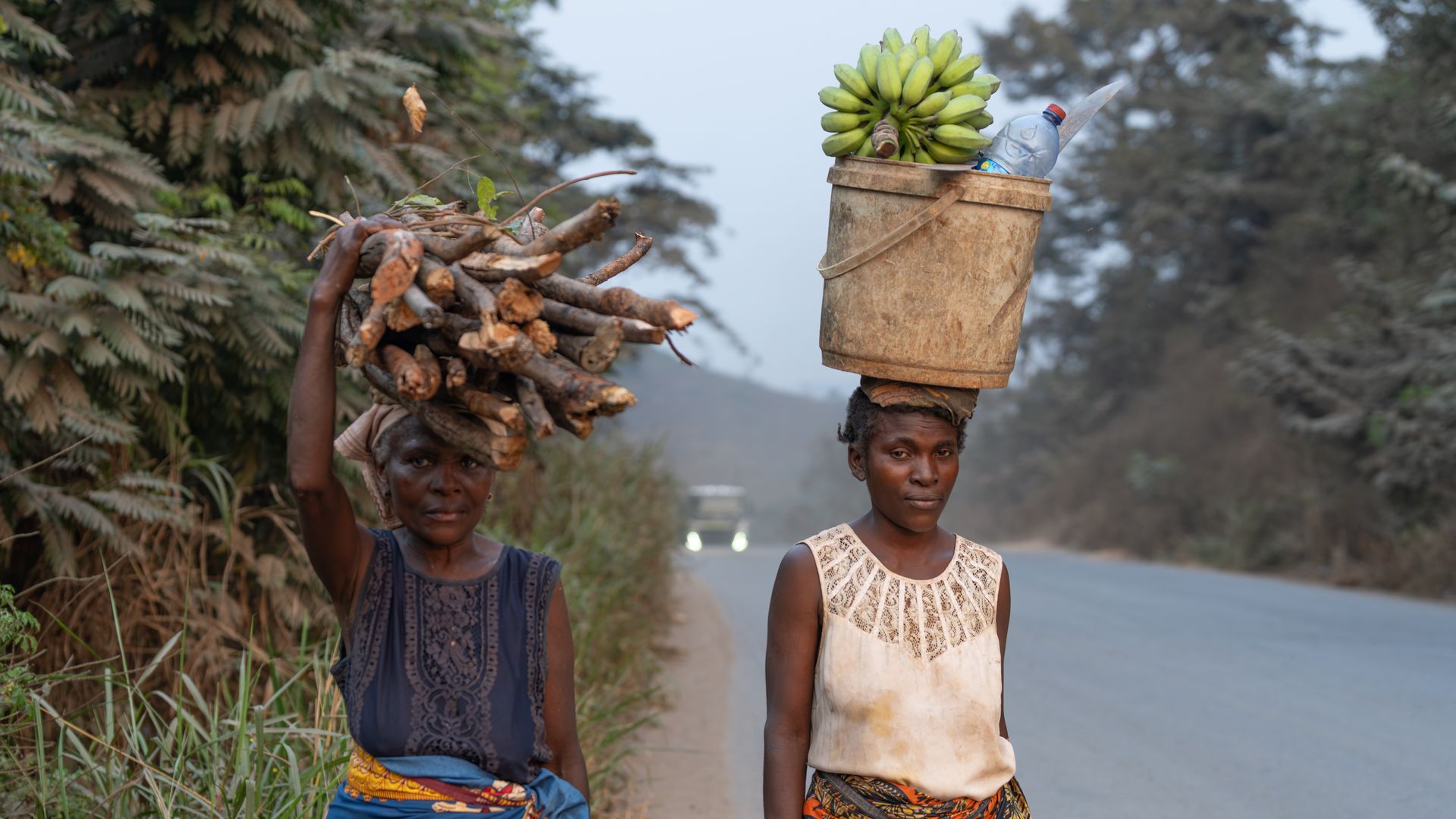
LeluTour can assist with arranging ground transportation and planning the journey to Malanje, allowing visitors to explore the province’s natural and cultural attractions with local support.
The Journey through Malanje: Discover Rural Angola Along the Way
One of the most memorable parts of exploring Malanje is not necessarily limited to the main attractions. The road journey itself is an essential part of the experience.
Travelling from Luanda and moving between the different destinations provides an opportunity to discover a different side of Angola, far from the country’s larger urban centres.
As the landscape changes, visitors encounter rural communities, small villages, agricultural areas, traditional homes and everyday scenes of local life.
Along the way, travellers have opportunities to greet local residents, exchange friendly greetings and observe the daily activities of communities living in the Angolan countryside.
These encounters may be simple, but they often become some of the most memorable moments of the journey.
Visitors can discover:
- Rural villages and traditional settlements.
- Local agricultural activities and cultivated landscapes.
- Everyday community life.
- Local markets and opportunities to discover regional products.
- The hospitality and friendliness of people living in rural Angola.
- The contrast between urban Luanda and the quieter landscapes of the country´s interior.
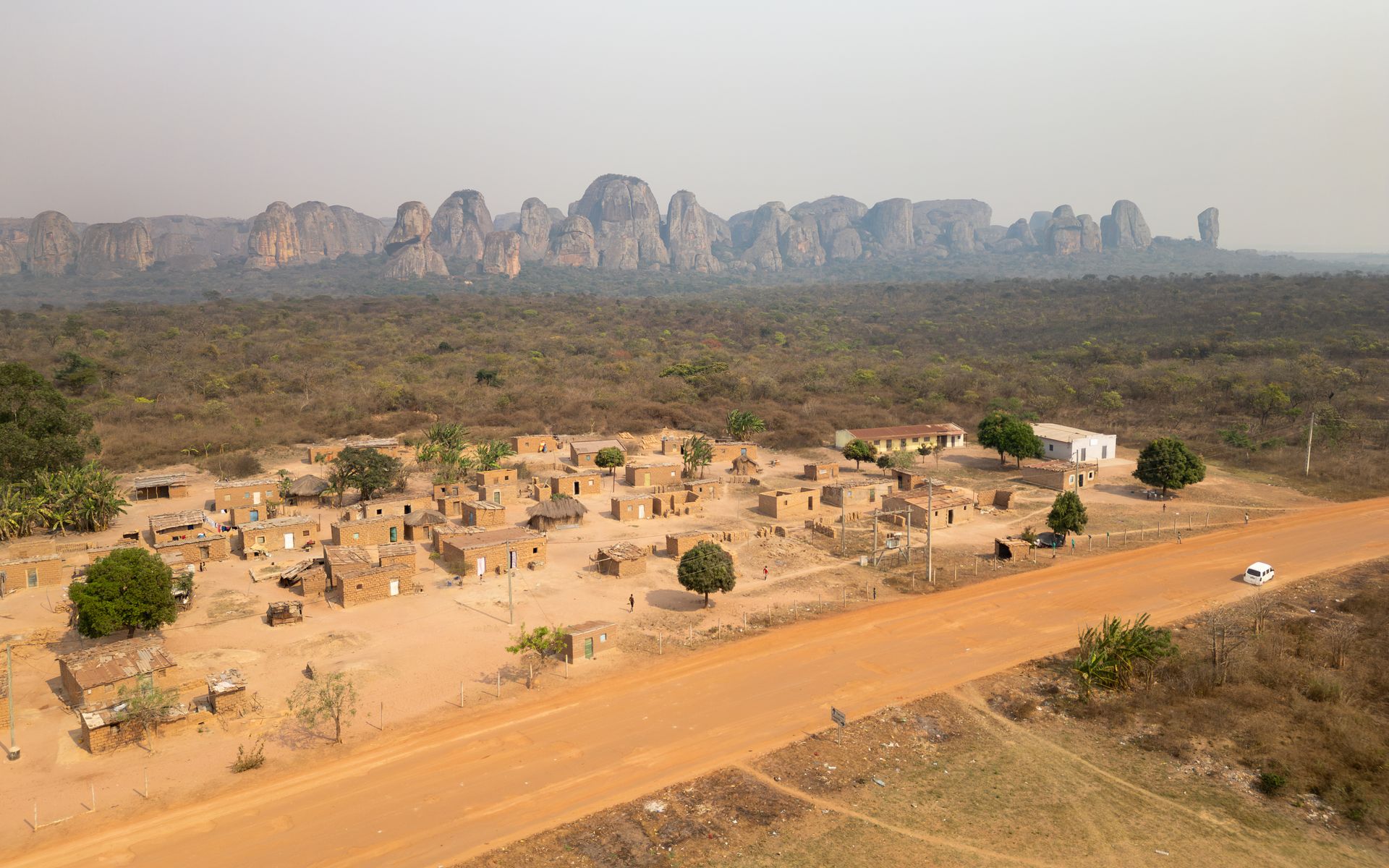
For many international visitors, these encounters provide a valuable opportunity to understand Angola beyond its main cities and established tourist attractions.
At LeluTour, we believe these moments add significant value to the overall travel experience.
We encourage respectful interaction with local communities, appreciation of their traditions and recognition of the cultural richness of rural Angola.
The journey is therefore not simply about travelling from one attraction to another. It is also about discovering the people, landscapes and everyday experiences that make Angola unique.
5. Distances and Travel Information: How Far Are the Attractions?
One of the advantages of exploring Malanje is the possibility of combining its three major attractions into one extended journey.
Although the destinations are located in different parts of the province, they can be connected through a multi-day road itinerary.
The following distances are indicative road estimates. Actual mileage may vary depending on the route, accommodation location, road conditions and access points used.
| Route | Approximately Distance | |
| Luanda → Kalandula Falls | 376 km | |
| Luanda → Black Rocks of Pungo Andongo | 318 km | |
| Luanda → Cangandala National Park | 449 km | |
| Malanje city → Kalandula Falls | 77 km | |
| Malanje city → Cangandala National Park | 50 km | |
| Kalandula Falls → Pungo Andongo | 87 km | |
| Pungo Andongo → Cangandala National Park | 130–140 km (indicative route via Malanje) |
The distances to individual attractions are not necessarily consecutive legs of one itinerary. For example, the most convenient route between Pungo Andongo and Cangandala may pass through Malanje.
How Long Does the Journey Take?
The road journey from Luanda to Malanje and the surrounding attractions generally requires several hours, depending on the destination, traffic, road conditions and stops along the way.
As a general planning reference:
Luanda to Kalandula Falls: approximately 5–7 hours.
Luanda to Pungo Andongo: approximately 5–6 hours, depending on the route.
Luanda to Cangandala: approximately 7–8 hours, depending on the access route.
Kalandula Falls to Pungo Andongo: approximately 1.5–2 hours.
Malanje city to Cangandala: approximately 1–1.5 hours.
These are indicative estimates rather than guaranteed journey times.
Recommended Duration
To fully appreciate all 3 destinations without rushing, we recommend planning a multi-day trip.
A 3-to-5-day itinerary can allow visitors to explore the attractions, enjoy the road journey, experience local communities and dedicate sufficient time to the Cangandala wildlife safari.
The ideal duration will depend on the selected activities, accommodation arrangements and park access authorisations.
6. How to Prepare for Your Trip to Malanje
An enjoyable experience starts with good preparation.
Although these destinations can be visited by different types of travellers, some areas feature uneven terrain and natural conditions that require particular attention, especially near the waterfalls, around the rock formations and when exploring protected natural areas.
What Should You Bring?
1. Comfortable and suitable footwear: Choose walking boots or closed sports shoes with good grip, particularly for hiking and walking on uneven terrain.
2. Comfortable clothing: Wear lightweight clothing suitable for the weather conditions and allowing freedom of movement during your visits.
3. Sun protection: Bring a hat, sunglasses, and sunscreen to protect yourself during periods of direct sun exposure.
4. Water and personal essentials: Stay hydrated and carry a small backpack containing water, personal documents and other essential items for the journey.
5. Photography equipment: Bring your camera or mobile phone. These destinations offer excellent opportunities to capture natural landscapes, wildlife and memorable moments.
6. Binoculars: If you are interested in wildlife observation, binoculars can be particularly useful when exploring natural habitats, especially at Cangandala.
7. Local currency: Having Angolan kwanzas (AOA) with you may be useful for small purchases, local products and souvenirs from the region.
Important Recommendations
Always follow the instructions provided by your guides and the team responsible for the visit.
Avoid approaching dangerous areas or slippery surfaces.
- Do not cross-designated safety boundaries.
- Respect wildlife and maintain a safe distance from animals.
- Never feed or attempt to touch wild animals.
- Protect the natural environment and avoid leaving litter behind.
- Respect local communities, their customs and cultural heritage.
- Follow all conservation rules established by protected-area authorities.
- Safety, responsible tourism and the preservation of these destinations should be essential parts of every journey.
7. Why Explore Malanje with LeluTour?
Discovering a destination is important. Experiencing it through a well-organised journey makes all the difference.
At LeluTour, we believe that discovering Angola should be an experience defined by authenticity, hospitality and attention to detail.
As a travel agency, tour operator and Destination Management Company (DMC) in Angola, we work to provide experiences that connect visitors with the country’s natural, historical and cultural diversity.
Our approach is built on destination knowledge, logistical organisation and the promotion of authentic local experiences.
When choosing LeluTour, you can benefit from:
- Organised tourism experiences tailored to each group’s requirements.
- Guidance and assistance throughout your visits.
- Tourist transportation solutions suited to your itinerary.
- Support with the logistical arrangements of your trip.
- Experiences that highlight Angola’s natural and cultural heritage.
- Carefully coordinated visits, taking into account local conditions and destination requirements.
- Opportunities to discover Angola through its landscapes, communities and local culture.
- Whether you are visiting Angola for the first time or looking to rediscover the country, we want to give you the opportunity to experience the destination beyond its most familiar landmarks.
Because we believe Angola deserves to be discovered in all its diversity.
8. Malanje Is Waiting for You. Are You Ready to Discover It?
From the spectacular waters of Kalandula Falls to the monumental Black Rocks of Pungo Andongo and the extraordinary wildlife of Cangandala National Park, Malanje reveals some of the most remarkable treasures of Angola.
Enjoy a boat trip along the Lucala River, explore the surrounding landscapes on foot, discover the history of the ancient Kingdom of Ndongo and experience a wildlife safari in the home of the Giant Sable Antelope.
Along the way, meet the countryside, greet local communities and discover the warmth and authenticity of rural Angola.
These 3 destinations tell different stories about the country.
One reveals the extraordinary power of nature. Another preserves the memory of an important African kingdom. The third protects one of the rarest and most emblematic animals on the African continent.
Together, they demonstrate why Angola deserves a place among Africa’s most fascinating destinations for nature, culture and adventure tourism.
More than simply admiring landscapes, this is an opportunity to discover stories, explore traditions, observe remarkable wildlife and establish a closer connection with Angola’s land and heritage.
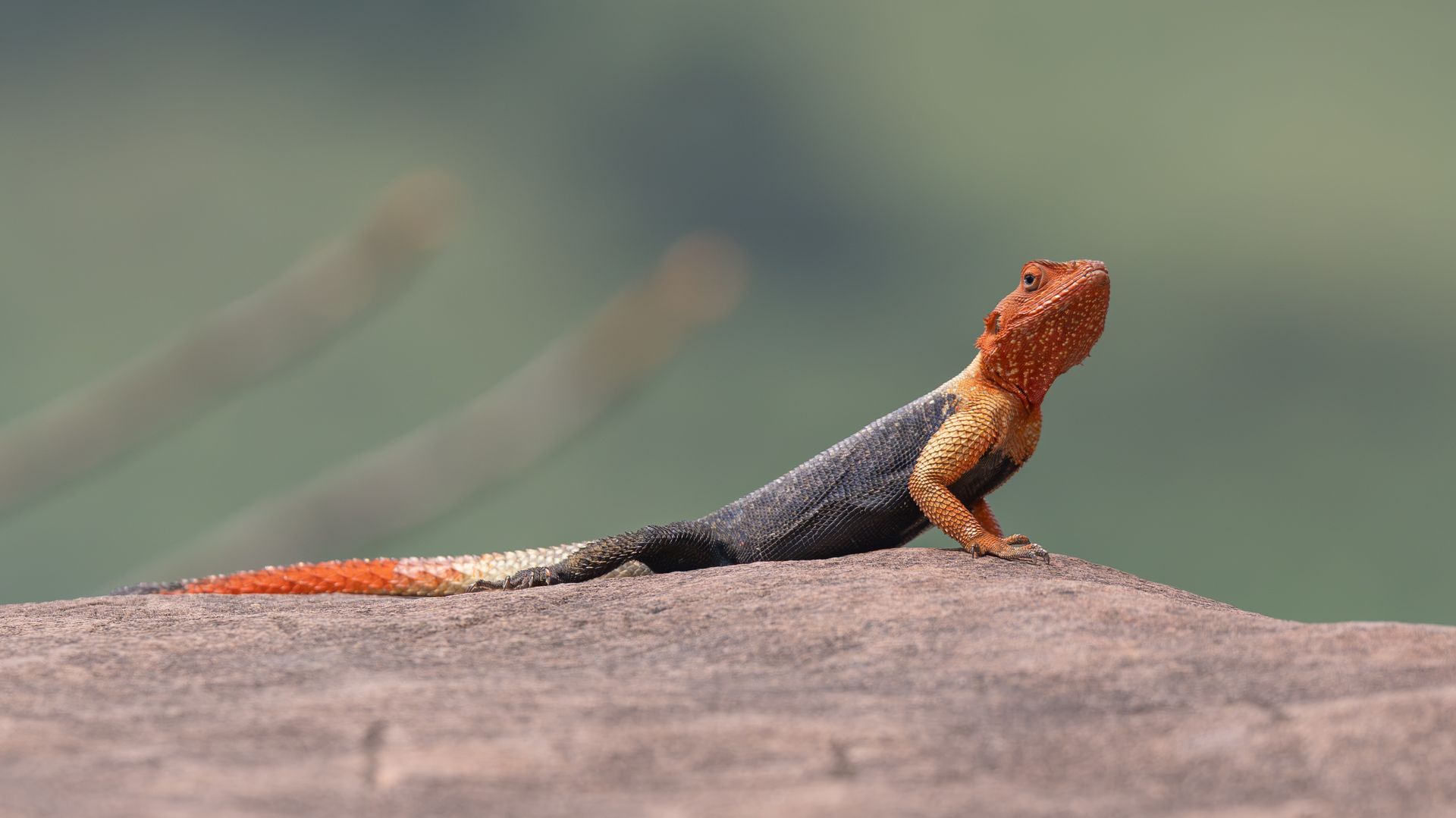
Discover Malanje. Explore Angola. Experience it with LeluTour.
Book Your Malanje Experience with LeluTour, Are you ready to discover Kalandula Falls, the Black Rocks of Pungo Andongo and Cangandala National Park?
Get in touch with our team to learn more about excursion arrangements, upcoming departure dates, included services and available travel options.
We organise experiences for individual travellers, couples, families and groups, tailored to the specific requirements and characteristics of each journey.
For visits to Cangandala National Park, safari arrangements are subject to park access authorisation, current operating conditions and conservation requirements.
Your next discovery starts here.
Book your activity in Malange here.
LELUTOUR — ANGOLA TO THE WORLD.